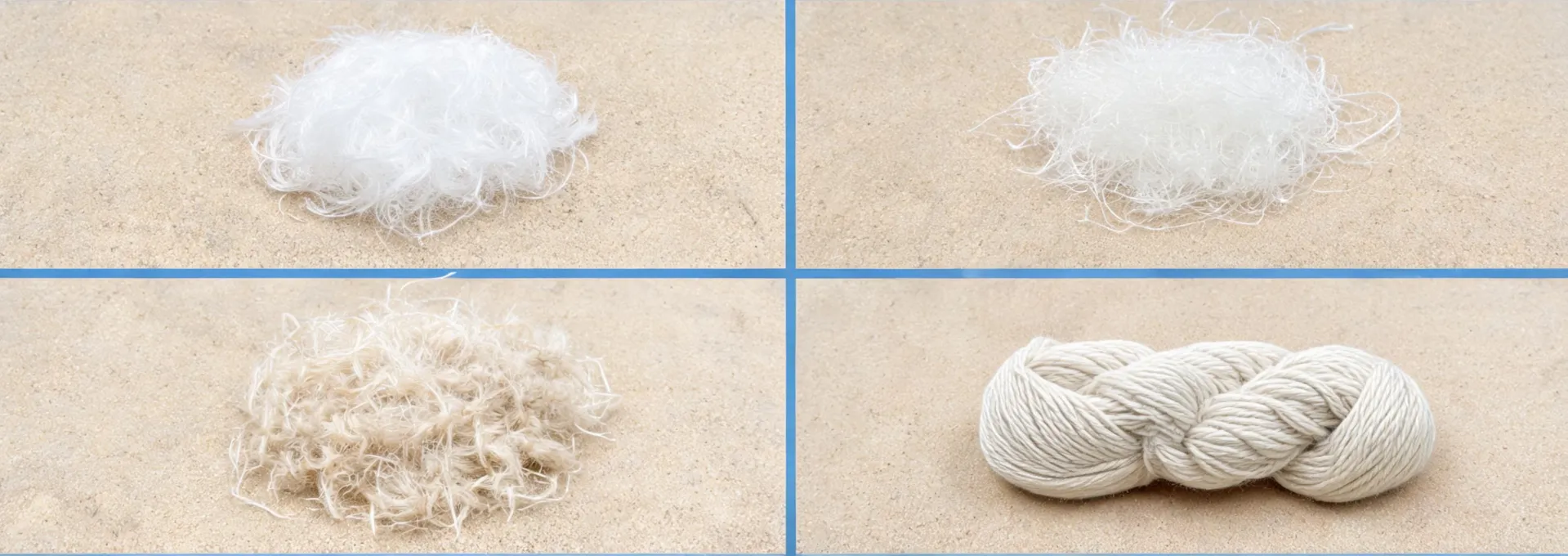
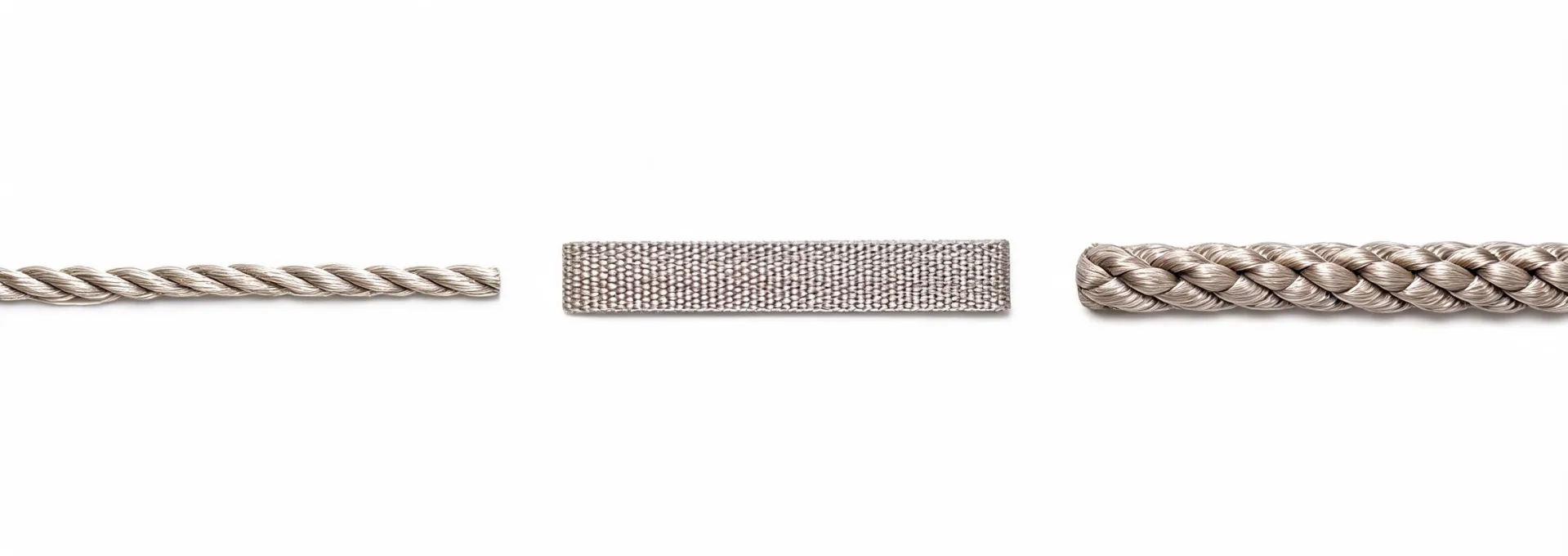
Selection matrix

Match the question to the correct evidence route

The rows describe review paths, not standard stock specifications. Product dimensions and values must come from the current document for the exact grade.

Starting pointMaterial identityConstruction inputsEvidence boundary
Reinforcement or industrial PVAPVA family and exact gradeFiber length, dosage, matrix, dispersionComposite specimen and named method
Soluble processing routeKURALON K-II gradeFiber or yarn form, process temperature, time and bathGrade-specific dissolution conditions; no family-wide assumption
Flame-performance textileVINARL grade and formYarn, fabric construction, finish, conditioningFinished construction and applicable flame method or level
Rope, cable, sling or webbingVECTRAN gradeDenier, twist, braid or weave, termination, load caseAssembly specimen, conditioning and safety method
Wet-laid sheet or filterPolyester short-cut fiber productResin, fineness, cut length, treatment, furnishCurrent product data plus converted-sheet test

Material trade-offs

Choose a route by constraints, not a universal ranking

Fiber-level data

  • Useful for screening polymer and grade families.
  • Can define properties under the published specimen and method.
  • Does not include twist, weave, braid, matrix, finish, seam or assembly effects.
  • Cannot establish a finished-article safety or lifetime claim.

Converted-construction data

  • Better represents the actual yarn, fabric, rope, sheet or composite.
  • Depends on processing, geometry, conditioning and end-use method.
  • May not be comparable when specimen or method differs.
  • Must still be checked against the current grade and document scope.

Water-soluble versus persistent form

  • Solubility can be a processing function for a specific KURALON K-II grade.
  • Dissolution behavior depends on grade and stated conditions.
  • A persistent reinforcement route serves a different objective.
  • Neither route is universally preferable without the process need.

Filament or yarn versus short-cut fiber

  • Continuous forms support rope, webbing, cable and textile constructions.
  • Short-cut fibers support dispersion and sheet-forming routes.
  • Fineness, length, treatment and conversion determine handling.
  • One form’s test result should not be assigned to the other.

Selection questions

Where broad material language usually fails

These answers preserve uncertainty where official product-level evidence is not available.

No. Rope rating depends on grade, yarn and braid construction, terminations, conditioning, load mode, specimen geometry and the applicable rope or sling method. Fiber data supports screening, not a safe working load.

No. Water-soluble behavior belongs to specified KURALON K-II grades and stated temperature conditions. Other PVA fiber families are positioned for reinforcement, paper, rubber, textile or other applications with different requirements.

No. “Fireproof” is an absolute claim. A flame-performance statement must identify the exact VINARL grade or other material, the converted construction, conditioning, test method, level and product scope.

Not automatically. Typical published information describes the documented specimen and method. Acceptance limits require an applicable specification, aligned units and conditions, and confirmation for the exact product and use.

Selection inquiry

Put the grade and specimen in the same sentence

State which official product information you are reading and which converted construction you need to evaluate.

Please provide your name.
Please provide a valid email.
Please describe the application and evidence request.